August 25, 2026
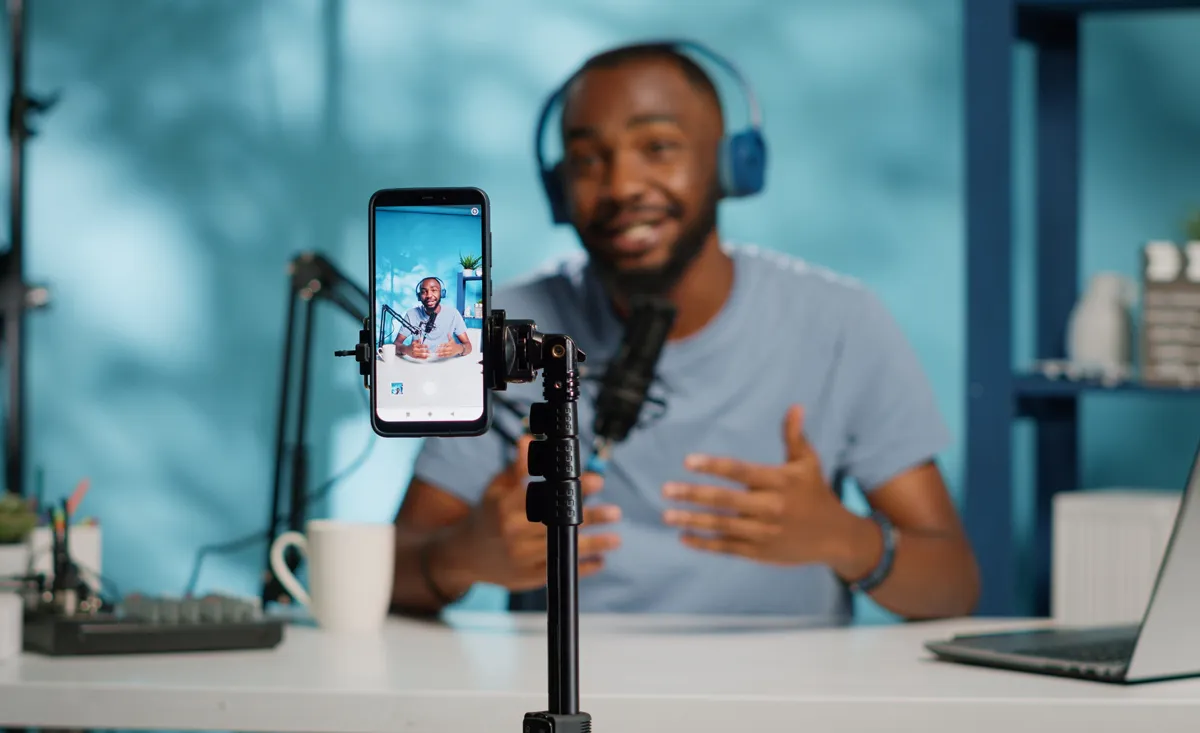
Influencer marketing programs are an undeniable component for consumer and retail brands today. Reports show that a majority of influencer marketers say budgets are growing significantly in 2026, as is competition for visibility, attention and consumer interest on social media (2026 Influencer Marketing Benchmark Report). With that added pressure, how can brands break through the noise and connect with audiences in the loud digitally based jungle?
Consumers trust influencers less than they did five years ago, but they haven’t stopped trusting people. Social media audiences are becoming increasingly skeptical of influencers and sponsored content. Over 72% of Gen Z individuals surveyed trust authentic customer reviews as the primary way to evaluate if a brand is credible (2026 Gen Z Brand Credibility Study). More than ever, audiences and consumers want relatability, not aspiration. So who do they turn to? Real people with opinions and reviews versus celebrity and influencer endorsements.
When retail purchases are driven by trust and peer validation, authenticity becomes a competitive marketing advantage for brands.
Key Takeaways
- Microinfluencers build more trust than macro influencers.
- Consumers increasingly prefer authentic product recommendations.
- Retail brands should balance awareness with credibility.
- Layered influencer programs outperform one-size-fits-all approaches.
Authenticity In Influencer Marketing
For retail brands, larger influencers who post mostly sponsored content are increasingly limited in their capacity to influence consumers. They still generate awareness and visibility but often lack the relatability consumers associate with trust.
Overtly sponsored posts and elevated influencer experiences feel disconnected from everyday consumers. While they generate awareness, they rarely reflect how people actually discover, buy or use products. In some cases, those campaigns can even spark criticism.
Large consumer retail brands like Poppi have faced backlash from audiences over campaigns that gifted influencer partners a full Poppi vending machine ahead of the Super Bowl. Though intended to be a fun campaign that aided Poppi’s Super Bowl ad splash, responses on social media indicated consumers felt it was extravagant, out of touch or unengaging.
The backlash wasn't about the vending machine, but growing consumer fatigue with unrelatable influencer experiences and lifestyles. This campaign had an unintended outcome, which reflected growing consumer demand for relatable, realistic content. Consumers don’t want products shown only in aspirational moments. They want to see how they fit into their everyday lives.
Why Microinfluencers Resonate
According to data from the NAD Influencer Trust Index, 62% of consumers feel micro-influencers understand their audience better and foster stronger community and belonging than larger influencers (NAD Influencer Trust Index 2025). Audiences lean toward influencers with smaller but engaged communities and content that feels more personal.
The report also shows consumers feel overwhelmed by the volume of sponsored content on social media. As sponsored posts become more common, trust declines—especially for creators whose feeds are dominated by paid partnerships.
Microinfluencers are more closely aligned to real consumer behavior and product experiences, making them less likely to be filtered out by skeptical audiences. But what actually drives consumers to engage and purchase?
Today, influencer marketing is less about maximizing reach and more about building credibility. Microinfluencers create content in the same stores, neighborhoods and everyday settings where their audiences actually shop, making recommendations feel like part of the retail experience. They bridge the gap between brand storytelling and the retail experience, and make products feel relevant and accessible. Consumers trust microinfluencers because their recommendations more closely resemble advice from friends than advertising from brands.
For younger consumers, reports show the two most important factors are clear and useful information and seeing real people talk about a brand (2026 Gen Z Brand Credibility Study). What is the product? What does it look like? Where can I find it? Microinfluencers check all these boxes, along with an authentic experience or review. These authentic voices play a key role in how audiences evaluate brands today.
Cost Efficiency
Influencer programs are a necessary tool for building brand awareness and driving retail conversions among consumers. However, influencer marketers report the top challenges facing influencer marketing in 2026 are rising creator costs and budget constraints (Influencer Marketing Benchmark Report 2026).
Microinfluencers can be a more efficient use of marketing budgets. Reports show that roughly 80% of UGC creators and 45% of microinfluencers shared a rate of under $500, with the remainder mostly between $500-$2,000. The costs of larger influencers quickly rise to $5,000-$10,000 and higher for posts — unsustainable for awareness at scale.
Brands with tighter budgets can partner with multiple creators across different markets instead of relying on a small number of higher-cost influencers. Lower costs also give brands greater flexibility. Brands can test messaging across multiple regions, retailers or audience segments and generate richer insights with reduced risk.
An Integrated Approach
Across retail campaigns we support at Identity, we’ve consistently found that the strongest influencer programs don’t rely on a single creator type, but on a layered approach. Identity has seen this play out across our portfolio, working with microinfluencers for CPG brands, restaurants, destinations and attractions to create content rooted in real consumer experiences.
For brands like Hudsonville Ice Cream, larger creators can amplify key campaign messages, build broad visibility and create bigger brand moments. Microinfluencers reinforce trust through consistent content that reflects how people actually discover, purchase and experience brands in their everyday lives. They also help drive awareness and retail behavior through geographically targeted and store-specific campaigns.
The most effective influencer strategies balance reach with credibility, using larger creators to build awareness and microinfluencers to bring consumers closer to the point of purchase. By understanding how different creator types support different stages of the consumer journey, brands can build campaigns that feel both scalable and authentic.
In today’s crowded social media landscape, brands that treat authenticity as a strategy will be better positioned to earn consumer trust, improve campaign performance and influence purchase decisions. Microinfluencers are not a replacement for reach, but they are an essential part of building influencer programs that feel credible, local and connected to real consumer behavior.
Post Summary
- Microinfluencers are becoming a key strategy for retail brands looking to build consumer trust and influence purchase decisions.
- Consumers are becoming more skeptical of sponsored content, making authenticity and relatability a competitive advantage for influencer marketing campaigns.
- Research shows Gen Z and younger consumers rely on authentic reviews and real people to evaluate brands and their credibility.
- Larger influencers are still valuable for brand awareness and reach, but microinfluencers can generate stronger trust and community engagement.
- Microinfluencers can create authentic content that reflects real shopping experiences and helps consumers see products in everyday life and raise awareness of where to find consumer goods.
- Rising costs and budget constraints can make microinfluencers a more cost-efficient option for many retail influencer marketing programs.
- A layered influencer strategy that combines macro influencers with microinfluencers can strengthen both campaign visibility and retail conversion.
- Geographically targeted and store-specific campaigns can help drive consumers closer to the point of purchase.
FAQs

Everybody Rock Your Curiosity (Yeah): Why the Coinbase Ad Worked
The latest national advertisement from Coinbase bucks common trends to deliver on a memorable concept.

Updating To Google Analytics 4: Why You Should Make The Change Now
Google Analytics 4 is Google’s newest website tracking platform. Here's what you need to know about how GA4 works and why your company needs to make the switch now.